


Seveso sites


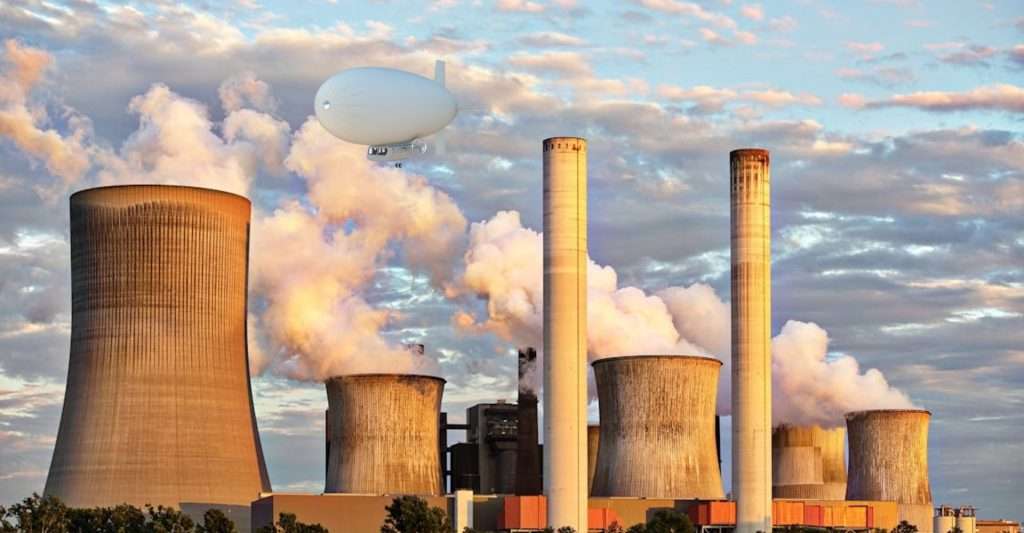
Seveso sites refer to high-risk industrial facilities—such as nuclear power plants in France or chemical factories—where the potential dangers to health and the environment are significant. In response to these risks, the Seveso regulation imposes strict safety measures to prevent major accidents.
To ensure continuous and responsive monitoring of these sensitive infrastructures, innovative technologies like tethered balloons and artificial intelligence are increasingly being used, outperforming traditional systems such as drones or fixed surveillance cameras.
What is a Seveso site?
The term Seveso site originates from an industrial accident that occurred in 1976 in Seveso, Italy, where a toxic chemical leak severely impacted the environment and local population.
Today, a Seveso site refers to a high-risk industrial facility. These sites handle hazardous substances that pose serious threats to human health and the environment. In the event of an accident, the consequences can be severe.
To prevent such incidents, the European Union has implemented strict regulations aimed at strengthening safety and minimizing the risk of major industrial accidents.


The risks associated with Seveso sites
Seveso sites, such as a nuclear power plant in France, must follow strict safety protocols. These facilities are exposed to various risks, including:
- fires
- explosions
- toxic leaks
How does Seveso regulation work ?
The Seveso regulation aims to prevent accidents by imposing strict safety measures on operators. They are required to establish intervention plans and inform the public in case of risk. Local authorities oversee regular inspections of the sites.


Monitoring Seveso sites
To ensure the safety of these infrastructures, innovative technologies are being developed—such as the tethered balloon. This type of autonomous surveillance solution can detect gas leaks or fires in real time. Thanks to artificial intelligence, the system quickly identifies anomalies and triggers alerts.
Moreover, solutions like tethered airships help reduce the carbon footprint of sensitive sites by limiting greenhouse gas emissions during incidents.
Why use a tethered balloon ?
Tethered balloons offer several advantages over drones and fixed surveillance cameras. Unlike drones, which require pilots and have limited battery life, a tethered balloon can remain in place for several months without interruption. It provides 24/7 continuous monitoring—something battery-powered drones or fixed cameras cannot achieve.
Additionally, by operating at altitude, the balloon covers wide areas with an extended aerial view, while fixed cameras are limited to narrow angles. Finally, the tethered balloon uses renewable energy, significantly reducing its carbon footprint, whereas drones need to be recharged frequently.


Like us, commit to a safer and more sustainable future by adopting innovative solutions that combine security with environmental responsibility.
Also worth reading
- Aerial surveillance : from kites to intelligent automata juin 25, 2025
- Why a balloon and not a drone ? mai 20, 2025
- 5 common misconceptions about industrial surveillance mai 7, 2025