


Aerial surveillance : from kites to intelligent automata
From poetic beginnings to strategic aerial surveillance
Kites : the first observation tools
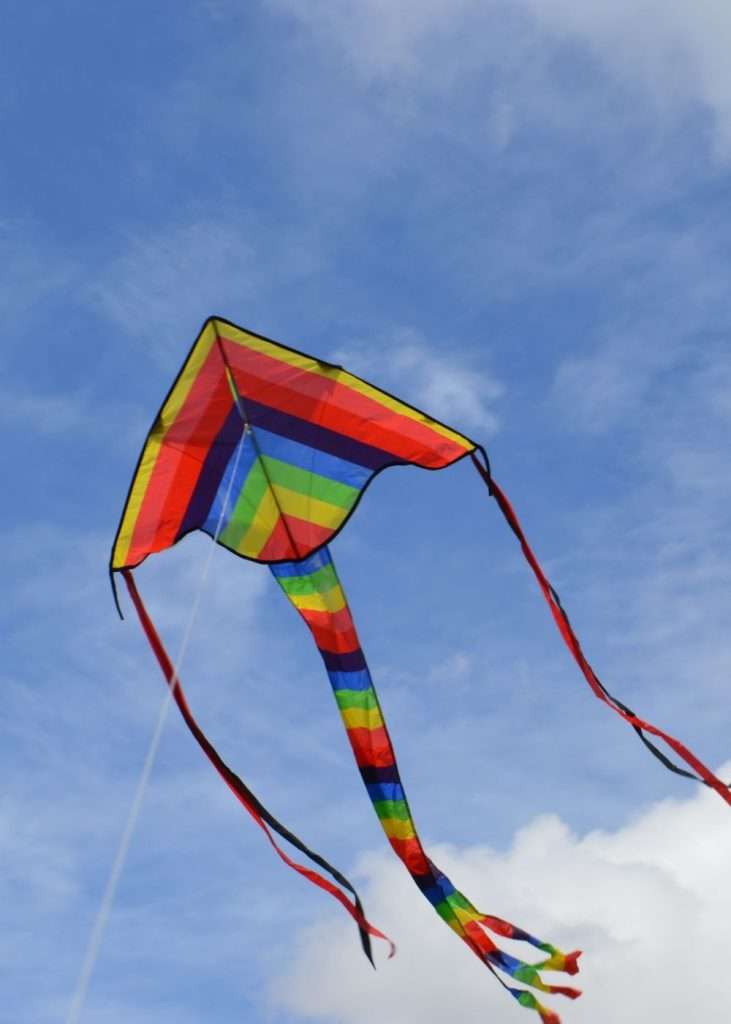
Long before drones and satellites, kites were the first airborne devices used for observation. In ancient China, and later by Western militaries in the 19th century, they provided elevation to observe terrain or carry rudimentary cameras. Their technical simplicity and low cost made them the forerunners of modern aerial surveillance.
Observation balloons in historical conflicts
Observation balloons, especially during the American Civil War and World War I, represented a major strategic advance. By maintaining stable altitude, they could capture images, guide artillery, and provide a broad view of conflict zones. Their use marked the beginning of large-scale industrial and military surveillance.




The rise of surveillance technologies in the 20th century
The emergence of military drones
Drones brought a revolution to the world of surveillance. Capable of flying without a pilot, they were widely adopted for their long-range monitoring capabilities, flexibility, and effectiveness in high-risk areas. Today, they are essential components in remote monitoring systems.
Satellites and large-ccale surveillance
With satellites, aerial surveillance took a leap forward. Global observation, climate analysis, environmental monitoring—satellites deliver valuable data but often lack local precision or real-time responsiveness. Hence the need for closer-to-ground, more responsive solutions.
Aerial surveillance : a key issue for sensitive sites
Growing industrial risks
Sensitive industrial sites (Seveso, defense, nuclear) face major risks: fires, gas leaks, intrusions. Continuous and accurate surveillance is essential to ensure the safety of people and infrastructure.
The need for continuous and autonomous monitoring
Unlike drones, which require pilots and have limited autonomy, modern solutions such as automated tethered balloons offer 24/7 surveillance with no interruption or human intervention.


The intelligent automaton : a new era of surveillance
From robotics to autonomous tethered balloons
The intelligent automaton combines robotics, light aviation, and telemetry. Tethered balloons equipped with motors, sensors, and cameras can monitor critical areas without a pilot or constant oversight.
Artificial intelligence and real-time anomaly detection
AI plays a vital role: pattern recognition, detection of suspicious movements, identification of gas leaks or thermal hotspots. Onboard data processing enables instant alerts, boosting responsiveness and incident prevention.
Technological innovation and sustainability
Towards eco-responsible surveillance
Autonomous surveillance devices like tethered balloons consume little energy, emit no CO₂ during operation, and can replace multiple drones or fixed cameras. They support a more sustainable surveillance strategy.
Reducing the carbon footprint with lightweight aircraft
Unlike helicopters or fuel-powered drones, lightweight electric-powered aircraft significantly reduce the carbon footprint of surveillance operations.


From theory to practice : the Horus solution
An autonomous tethered balloon for industrial security
The Horus solution, developed by Lium, embodies this new generation of intelligent automata. This autonomous tethered balloon can hover over a site for weeks while analyzing real-time data.
Case studies : detecting leaks, fires, and intrusions
Horus has already been tested on Seveso-classified and nuclear industrial sites. It enabled early detection of gas leaks, fire outbreaks, and unauthorized intrusions—all while reducing the need for human surveillance.
Visit our website: www.lium-tech.com and let’s talk about the future of industrial security !